Complete Mold Remediation Solutions: Eliminate Risks and Reinstate Safety
Mold might pose significant health hazards and threaten the safety of any living space. Effective mold remediation services address these issues by detecting sources, containing spread, and getting rid of affected materials. Understanding the signs of mold, the dangers it presents, and the remediation process is necessary for homeowners. As the nuances of mold removal develop, it is clear that a proactive approach is crucial for long-term safety and well-being. What measures should one take next?
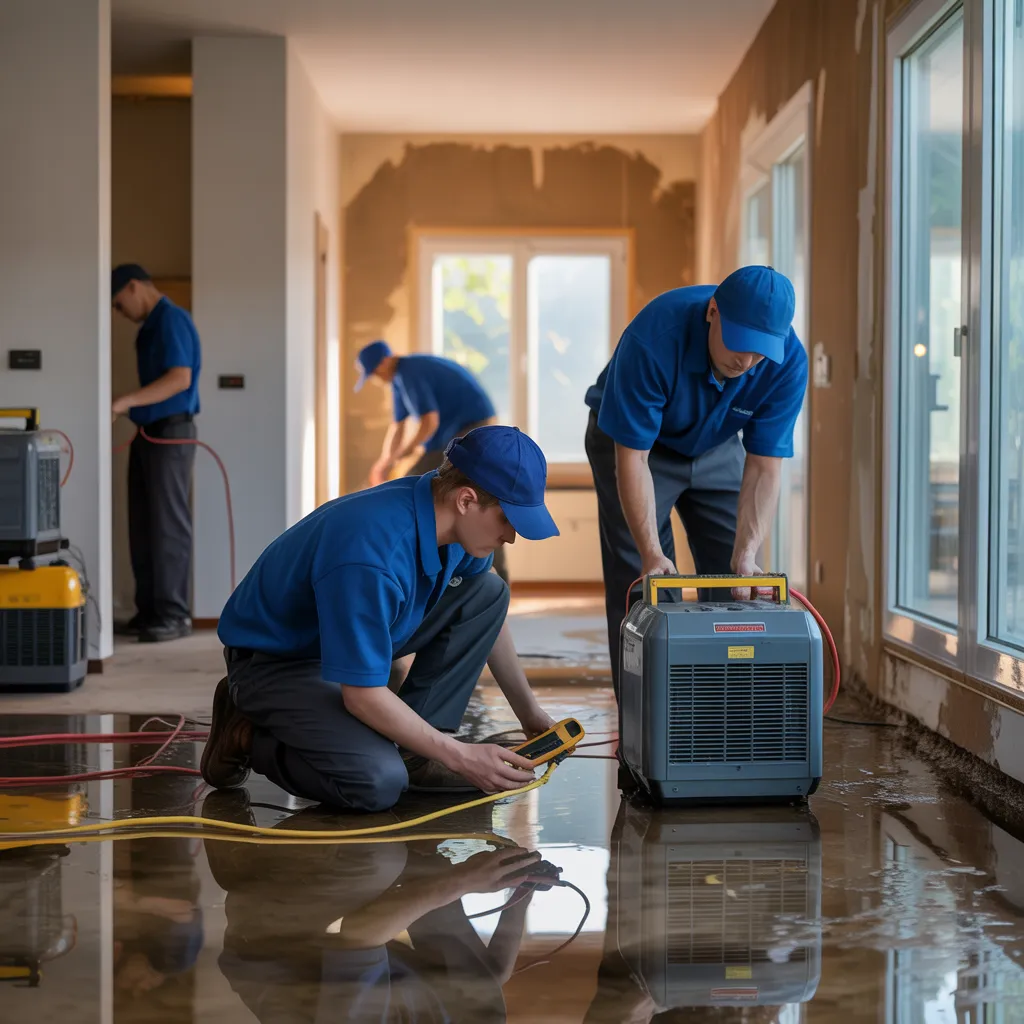
Signs You Have a Mold Issue
How can someone notice mold in their surroundings? Identifying signs of mold is essential for keeping a healthy space. Commonly, visible mold growth is found on walls, ceilings, and damp spots, serving as a primary indicator. Water stains or discoloration might also show hidden mold behind surfaces. Even without immediate visibility, a musty smell may signal mold presence. Moreover, higher humidity levels within a home, particularly above 60%, can foster an environment suitable for mold growth. Additional signs include peeling paint or wallpaper and respiratory issues among residents, which may point to a mold problem. Staying alert is necessary because prompt detection can prevent further spread and complications. Frequent inspections, particularly in moisture-prone locations like bathrooms and basements, help ensure a safe and healthy home. Recognizing these signs is the initial step in effectively managing potential mold problems.
Understanding the Dangers of Mold Contact
Mold contact creates substantial health risks that can affect people in multiple ways. Inhalation of mold spores can lead to breathing problems, such as asthma and allergic reactions, particularly in sensitive populations such as children and the elderly. Symptoms often present with coughing, sneezing, and skin irritations, which can escalate with prolonged exposure.
Particular mold species emit mycotoxins, which can present more serious effects, encompassing neurological manifestations and immune system weakening. People with pre-existing conditions may experience exacerbated health issues, making it essential to address mold problems immediately.
Additionally, the mental impact of living in mold-infested surroundings can lead to stress and worry. Understanding these hazards highlights the importance of recognizing and tackling mold development to preserve a secure and healthy living space. Knowledge of the risks associated with mold exposure is essential for advancing overall well-being and preventing long-term medical issues.

What to Do When You Find Mold?
Upon spotting mold in a residence, prompt action is essential to prevent further growth and minimize health risks. The first step entails evaluating the magnitude of the mold problem. Individuals should look for noticeable mold and any damp areas that may promote growth. It is critical to avoid disturbing the mold, as this can release spores into the air.
Next, the source of moisture must be determined and resolved, whether it's a water seepage or elevated moisture levels. Providing sufficient airflow in the affected area will help reduce moisture levels. Safety gear, such as protective gloves and respirators, should be employed to decrease exposure during any contact.
Should the fungal presence cover a restricted area, it could be possible to address it with adequate cleaning solutions. However, for more severe infestations, it is wise to seek professional help. Prompt and powerful measures can substantially reduce health risks associated with mold exposure.
The Mold Elimination Process Clarified
An successful mold remediation requires a systematic approach to guarantee total elimination and prevention of subsequent mold development. The procedure typically begins with a thorough inspection to identify mold origins and evaluate the degree of contamination. Experts employ specialized equipment to detect hidden mold and water sources, guaranteeing a complete assessment.
Once identified, containment protocols are put in place to stop the distribution of spores during removal. The next phase includes the safe removal of affected materials, such as drywall or insulation, followed by sanitization and decontamination of surfaces.
After extraction, the area is completely dried to remove moisture, which is essential for preventing future mold growth. Finally, a post-treatment evaluation verifies that the mold has been effectively eliminated and that the environment is safe. This careful procedure not only tackles existing mold issues but also establishes safeguards against future infestations, guaranteeing long-term safety in the affected space.
Advanced Mold Elimination Techniques
Innovative mold elimination methods are revolutionizing the restoration industry. Sophisticated identification systems enhance prompt recognition, while eco-friendly solutions emphasize health and sustainability. Additionally, state-of-the-art isolation techniques guarantee successful separation of fungal growth, reducing contamination during the restoration procedure.
Advanced Identification Methods
Although mold can often thrive in concealed spaces, advanced detection methods have emerged to detect its existence more accurately and efficiently. Methods such as infrared thermography allow experts to visualize temperature variations, revealing water accumulation where mold may develop. Additionally, humidity detectors assess the moisture content within walls and ceilings, identifying likely contamination. Air sampling tests can analyze airborne spores, delivering vital information on mold concentration and types present. Moreover, flexible scope cameras enable examinations in confined spaces, uncovering concealed mold development without invasive procedures. These innovative techniques enhance the assessment of mold problems, enabling timely and effective remediation efforts to protect health and property. By leveraging these sophisticated techniques, remediation specialists can guarantee a comprehensive strategy to mold identification.
Eco-Friendly Solutions
Advanced detection techniques have assessment paved the way for more successful mold remediation plans. In recent years, eco-friendly options have surfaced as state-of-the-art alternatives to traditional mold removal methods. These earth-friendly methods prioritize the use of non-toxic, biodegradable agents that thoroughly eliminate mold without creating dangers to human health or the environment. Procedures such as steam cleaning and the application of natural antimicrobials, like tea tree oil and vinegar, have become widely used. Additionally, ozone treatment and ultraviolet light are more frequently employed, providing powerful mold eradication while minimizing chemical exposure. As sensitivity about environmental impacts grows, these eco-friendly solutions not only guarantee thorough mold removal but also support safer living spaces, signifying a commitment to both health and sustainability.
Cutting-Edge Control Strategies
As mold remediation techniques evolve, effective containment strategies have become critical for reducing contamination spread during the removal process. Advanced containment methods employ physical barriers, such as double-layered plastic sheeting, to isolate affected areas. Depressurization equipment are utilized to guarantee that suspended particles do not escape into clean spaces, while HEPA filters capture microscopic particles. Additionally, advanced assessment systems deliver real-time assessments of air quality, enabling teams to adjust containment measures as needed. These cutting-edge approaches not only improve protection for occupants but also optimize the remediation process, guaranteeing thorough mold elimination while decreasing the risk of recurrence. By incorporating these advanced isolation methods, professionals can achieve more efficient and enduring results in mold remediation.
Picking the Ideal Mold Abatement Service
How can homeowners ensure they choose a effective mold remediation service? The procedure starts with comprehensive investigation. Homeowners should find firms with credentials from recognized organizations, guaranteeing they adhere to industry standards. Reviewing customer reviews and reviews can provide insights into a firm's reliability and effectiveness.
It is vital to obtain comprehensive quotes and grasp the methods proposed for restoration. An efficient service will outline their strategy, covering containment, removal, and testing after remediation. Openness regarding the substances and equipment used is also important.
Moreover, homeowners should inquire regarding warranties or guarantees, which can indicate the service provider's assurance in their work. Finally, verifying insurance protection safeguards property owners from potential liabilities during the remediation process. By adhering to these guidelines, homeowners can make informed decisions, reducing the risk of choosing an inadequate mold remediation service and ensuring a safer living environment.
How to Prevent Mold From Coming Back
To avoid mold from reappearing, it is important to regulate moisture levels, as high humidity enables growth. Improving ventilation systems can improve air movement, further reducing the odds of mold formation. Additionally, establishing regular inspection practices facilitates prompt identification and mitigation of potential issues.
Manage Moisture Concentrations
Managing humidity levels is critical for stopping mold from coming back in previously affected areas. Maintaining indoor humidity between 30% and 50% significantly decreases the likelihood of mold development. To achieve this, individuals are encouraged to install dehumidifiers, especially in moist areas like basements and bathrooms. Regularly checking humidity levels with a hygrometer can provide valuable insights. Additionally, quickly tackling leaks and water intrusion is important; any dampness should be swiftly dried to inhibit mold resurgence. Homeowners should also consider using moisture-absorbing materials, such as silica gel, in enclosed spaces. By actively managing humidity, individuals can establish a space that prevents mold, guaranteeing a safer living space for everyone.
Improve Air Flow Systems
Effective air circulation systems play an essential role in preventing mold recurrence in homes. Proper air movement decreases moisture buildup, a key factor in mold growth. Homeowners should assess existing ventilation, guaranteeing that areas like attics, basements, and bathrooms are properly ventilated. Installing exhaust fans in high-moisture areas helps expel damp air, while vents allow fresh air circulation. Additionally, using energy recovery ventilators can improve indoor air quality by exchanging stale air for fresh air without losing heating or cooling energy. Sealing gaps in windows and doors can also improve overall airflow. Regular maintenance of HVAC systems, including changing filters, is essential to ensure optimal operation and reduce the likelihood of mold returning.
Conventional review approaches
While homeowners may focus on remediation after mold is discovered, routine inspection schedules are essential for preventing its return. Routine inspections should be carried out in areas vulnerable to moisture, such as basements, bathrooms, and kitchens. Homeowners are encouraged to check for clear indicators of mold, water leaks, and humidity levels. Additionally, monitoring ventilation systems can help identify emerging problems before they intensify. Retaining an expert team for annual inspections can deliver a thorough assessment and specialist advice. Establishing a schedule for these inspections encourages early detection and enables preventive strategies. By prioritizing routine checks, homeowners can greatly reduce the risk of mold resurgence, securing a more protected home. Consistent vigilance is vital to ongoing mold prevention.
Regularly Requested Questions
What Is the Typical Cost of Mold Remediation?
Mold remediation usually costs between $500 and $6,000, based on the extent of the infestation, location, and necessary services requested. Factors like building size and moisture levels also determine the overall expenses.
May I stay in My Home while treatment?
During mold removal, it's generally recommended to vacate the home, particularly if substantial mold growth exists. However, some minor projects may allow occupants to stay, contingent upon safety measures and the extent of the mold problem.
How long Does the Mold Removal Process Take?
The duration for mold elimination differs from a couple of days to several weeks, dependent on the extent of the contamination, the size of the impacted space, and the techniques used for treatment.
Do I Have to Change My Furniture After Fungal Exposure?
After mold exposure, replacing furniture is determined by the level of contamination severity. Non-porous items can typically be cleaned, while porous materials, like upholstered furniture, may require replacement to guarantee safety and stop mold from growing in the future.
Will Home Insurance Include Mold Abatement?
Homeowners insurance policies offer different mold remediation coverage. In most cases, if mold results from a covered peril, including water damage, it might be covered. Policyholders must review their particular terms and consult their insurance company for understanding.